
"land redistribution"
300 article(s) found

Very rich Guatemala fine coffee flavor taste estate production characteristics
Between 1950 and 1954, when President Jacobo Árbenz was in power, land reform was implemented, and large landowners, who accounted for 2% of the country's population, occupied about 70% of the country's arable land.Árbenz wrote a check for agrarian reform, promising to buy up land held by large landowners and redistribute it to small farmers.Árbenz won the election, and the land reform program was immediately implemented. For land ownership greater than 223

Introduction to the origin of flavor and taste characteristics of fragrant and delicious Nicaraguan boutique coffee
In many countries, coffee production will be seriously affected for political reasons. Nicaraguan coffee industry is no exception. The 1979 revolution forced coffee planters to flee to Miami. A period of indecision followed, when the government considered whether to redistribute land (including many plantations), which led to a shortage of coffee and a decline in production from the early 1970s.

The mild taste of Nicaraguan coffee the characteristics of the manor area introduce the Los Congo Manor.
In many countries, coffee production will be seriously affected for political reasons. Nicaraguan coffee industry is no exception. The 1979 revolution forced coffee planters to flee to Miami. A period of indecision followed, when the government considered whether to redistribute land (including many plantations), which led to a shortage of coffee and a decline in production from the early 1970s.

Guatemala Coffee Estate Flavor Taste Characteristics of Orange Peel and Green Pepper
Between 1950 and 1954, when President Jacobo Árbenz was in power, land reform was implemented, and large landowners, who accounted for 2% of the country's population, occupied about 70% of the country's arable land.Árbenz wrote a check for agrarian reform, promising to buy up land held by large landowners and redistribute it to small farmers.Árbenz won the election, and the land reform program was immediately implemented. For land ownership greater than 223

Introduction to the Regional treatment method of Grinding scale production of Coffee beans in lemon Manor in Nicaragua
In many countries, coffee production will be seriously affected for political reasons. Nicaraguan coffee industry is no exception. The 1979 revolution forced coffee planters to flee to Miami. A period of indecision followed, when the government considered whether to redistribute land (including many plantations), which led to a shortage of coffee and a decline in production since the early 1970s

Introduction to the Coffee Flavor and Taste characteristics of Divine Manor in Nicaragua
In many countries, coffee production will be seriously affected for political reasons. Nicaraguan coffee industry is no exception. The 1979 revolution forced coffee planters to flee to Miami. A period of indecision followed, when the government considered whether to redistribute land (including many plantations), which led to a shortage of coffee and a decline in production since the early 1970s

A brief introduction to the Origin, Development, History and Culture of Nicaraguan Fine Coffee beans with Citrus
In many countries, coffee production will be seriously affected for political reasons. Nicaraguan coffee industry is no exception. The 1979 revolution forced coffee planters to flee to Miami. A period of indecision followed, when the government considered whether to redistribute land (including many plantations), which led to a shortage of coffee and a decline in production since the early 1970s

Introduction to Joy Manor in Nicaragua Coffee Manor
High-quality Nicaraguan coffee, grown in the north and middle of the country. Coffee is a pillar industry in Nicaragua, producing nearly 100,000 tons of coffee beans every year. Many people who have tasted Nicaraguan coffee usually think that it is no different from Salvadoran coffee or Honduran coffee. It is full-bodied, smooth and delicate, with a slightly bitter finish, like a faint taste in a wine. In

Mild and delicious Nicaragua Lakadura Coffee Flavor Description Grind Treatment Features Taste Medium
Nicaragua is now one of the poorest countries in Central America. Because of its poor economic base, the coffee industry is still in a relatively backward state, while coffee farmers are in an extremely poor state. Fortunately, Nicaragua's coffee has received some foreign aid funds to improve the quality of its coffee. Nicaragua's Madagerba, Chinodega, Segovia region of coffee

Flavor description of Maraka Dula coffee beans in Nicaragua introduction of varieties produced by grinding scale
Nicaraguan Maraka Dula coffee beans flavor description grinding scale production area variety introduction in many countries, coffee production will be seriously affected for political reasons. Nicaraguan coffee industry is no exception. The 1979 revolution forced coffee planters to flee to Miami. A period of indecision followed, when the government considered whether to redistribute land (including many

A brief introduction to the description of the flavor, taste and aroma characteristics of Nicaraguan boutique coffee beans
In many countries, coffee production will be seriously affected for political reasons. Nicaraguan coffee industry is no exception. The 1979 revolution forced coffee planters to flee to Miami. A period of indecision followed, when the government considered whether to redistribute land (including many plantations), which led to a shortage of coffee and a decline in production since the early 1970s

Introduction of lemon tree manor in the main producing areas of Nicaraguan coffee
In the country, coffee production will be seriously affected for political reasons. Nicaraguan coffee industry is no exception. The 1979 revolution forced coffee planters to flee to Miami. A period of indecision followed, when the government considered whether to redistribute land (including many plantations), which led to a shortage of coffee and a decline in production, up from 100 in the early 1970s.

Smooth and meticulous taste of Nicaraguan coffee beans introduction to the characteristics of boutique coffee in manor area
In many countries, coffee production will be seriously affected for political reasons. Nicaraguan coffee industry is no exception. The 1979 revolution forced coffee planters to flee to Miami. A period of indecision followed, when the government considered whether to redistribute land (including many plantations), which led to a shortage of coffee and a decline in production since the early 1970s

Full-bodied and lively fragrance Guatemala Antigua boutique coffee flavor taste manor characteristics
Between 1950 and 1954, the ruling president Jacobo Abens implemented land reform, when big landlords, who accounted for 2 per cent of the country's population, owned about 70 per cent of the country's arable land. Arbens wrote a check for land reform, promising to buy the land held by the big landlords and redistribute it to small farmers. Arbens won the election, and the land reform plan was carried out immediately. For owning land greater than 223

Coffee beans of moderate particle size. Flavor, taste, aroma. Description
In many countries coffee production is severely affected for political reasons. The coffee industry in Nicaragua is no exception. The revolution of 1979 forced coffee growers to flee to Miami. A period of uncertainty ensued as the government considered whether to reallocate land (including many plantations), resulting in coffee shortages and declining yields from the early 1970s.

The origin and development history and culture of fine coffee beans
In many countries coffee production is severely affected for political reasons. The coffee industry in Nicaragua is no exception. The revolution of 1979 forced coffee growers to flee to Miami. A period of uncertainty ensued as the government considered whether to reallocate land (including many plantations), resulting in coffee shortages and declining yields from the early 1970s.

Introduction to the Grinding scale of the Variety characteristics of Maraka Dula Coffee in Nicaragua
In many countries, coffee production will be seriously affected for political reasons. Nicaraguan coffee industry is no exception. The 1979 revolution forced coffee planters to flee to Miami. A period of indecision followed, when the government considered whether to redistribute land (including many plantations), which led to a shortage of coffee and a decline in production since the early 1970s

Coffee producing area-Nicaragua
The excellent Nicaraguan coffee is among the highest in the world, it is mild and delicious, moderate granule, very fragrant. In many countries, coffee production has been seriously affected for political reasons. Nicaraguan coffee industry is no exception. The 1979 revolution forced coffee planters to flee to Miami. A period of indecision followed, and the government considered whether to redistribute it.

Nicaragua's excellent Nicaraguan coffee is among the highest in the world.
The excellent Nicaraguan coffee is among the highest in the world, it is mild and delicious, moderate granule, very fragrant. In many countries, coffee production has been seriously affected for political reasons. Nicaraguan coffee industry is no exception. The 1979 revolution forced coffee planters to flee to Miami. A period of indecision followed, and the government considered whether to redistribute it.
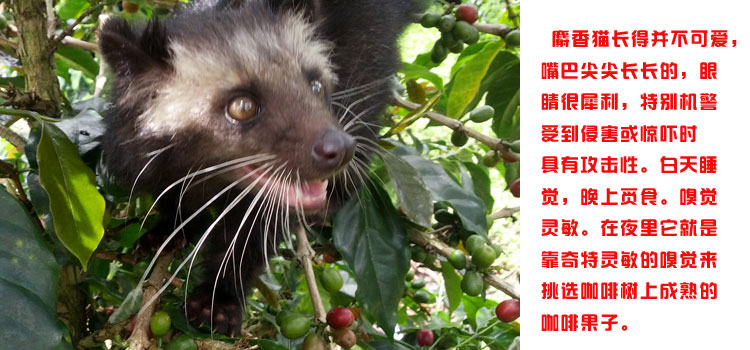
Introduction to the treatment methods of the main manor producing areas of lemon tree Nicaraguan coffee
In the country, coffee production will be seriously affected for political reasons. Nicaraguan coffee industry is no exception. The 1979 revolution forced coffee planters to flee to Miami. A period of indecision followed, when the government considered whether to redistribute land (including many plantations), which led to a shortage of coffee and a decline in production, up from 100 in the early 1970s.